عربي
عربي
 English


Hajj: A Symbol of Human Unity
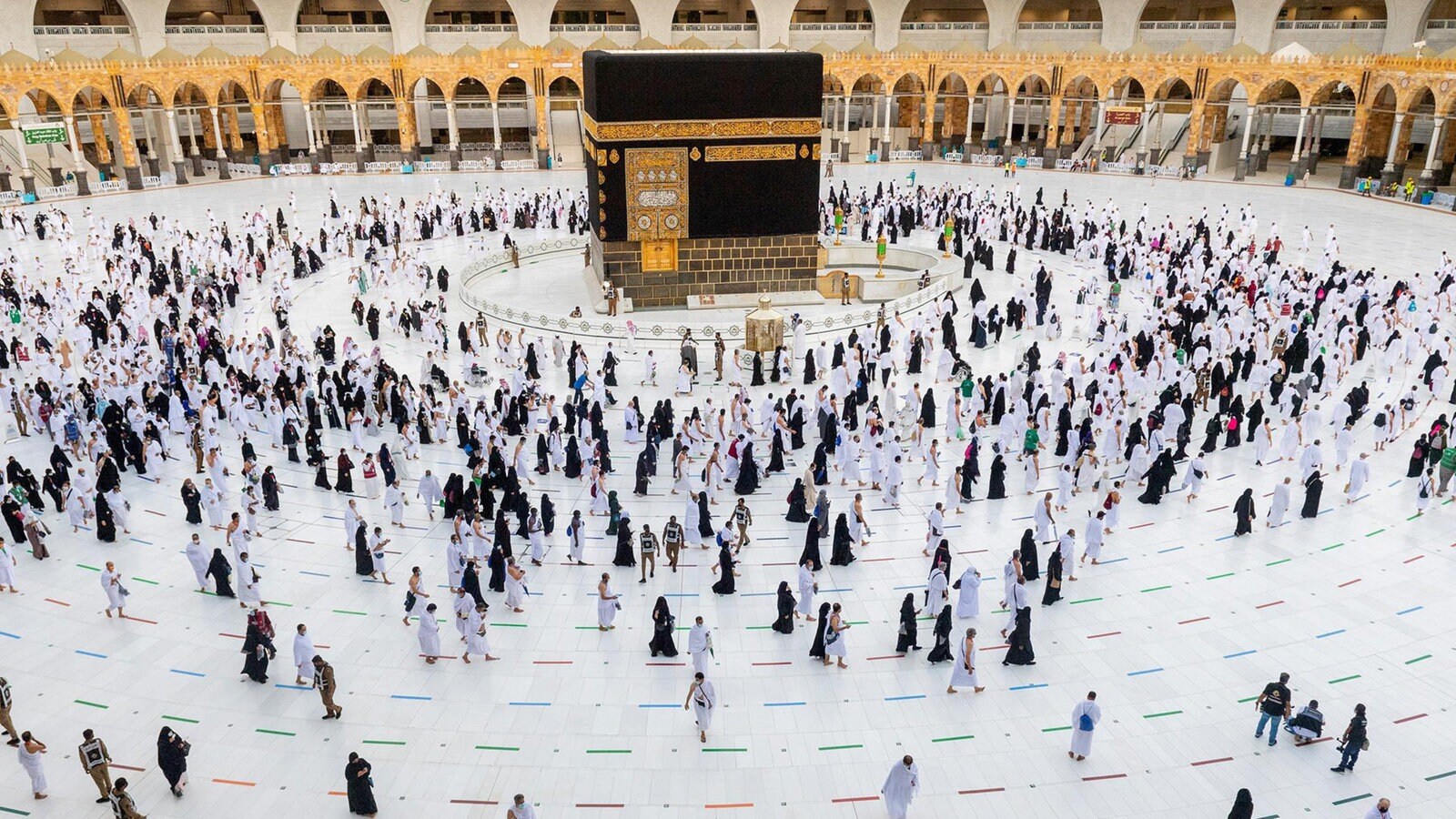
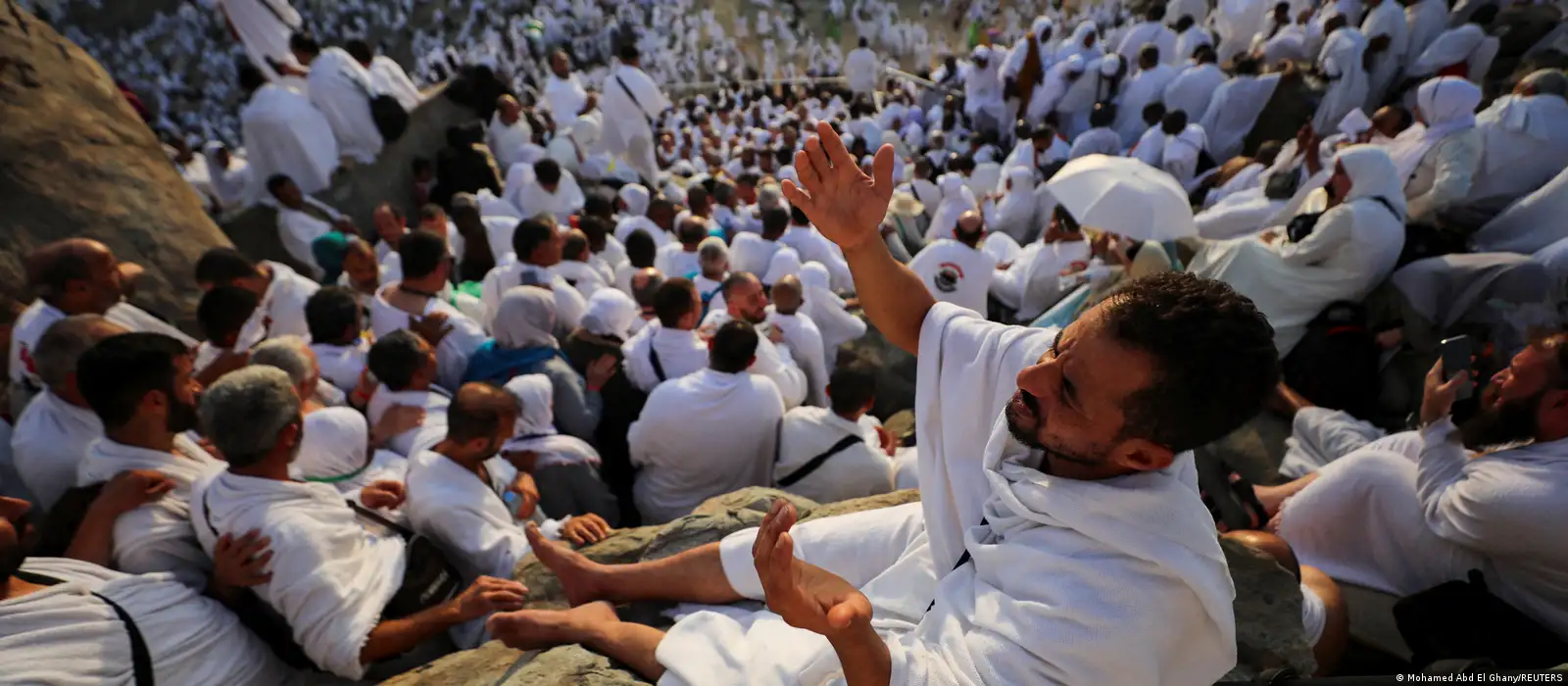
When a pilgrim dons the Ihram, they leave behind their everyday clothing and social status, appearing before God without distinction between rich and poor, king and laborer. This moment is not just a religious ritual; it is a practical lesson in human equality, demonstrating how worship can reshape societal values.
From Diversity to Unity
In Mecca, people from every continent and culture meet, yet in the Ihram, all are equal. This unified dress grants no advantage based on social rank or wealth, affirming that all humanity is equal before the Creator, and spirituality transcends material and social boundaries.
Equality in Humanitarian Work
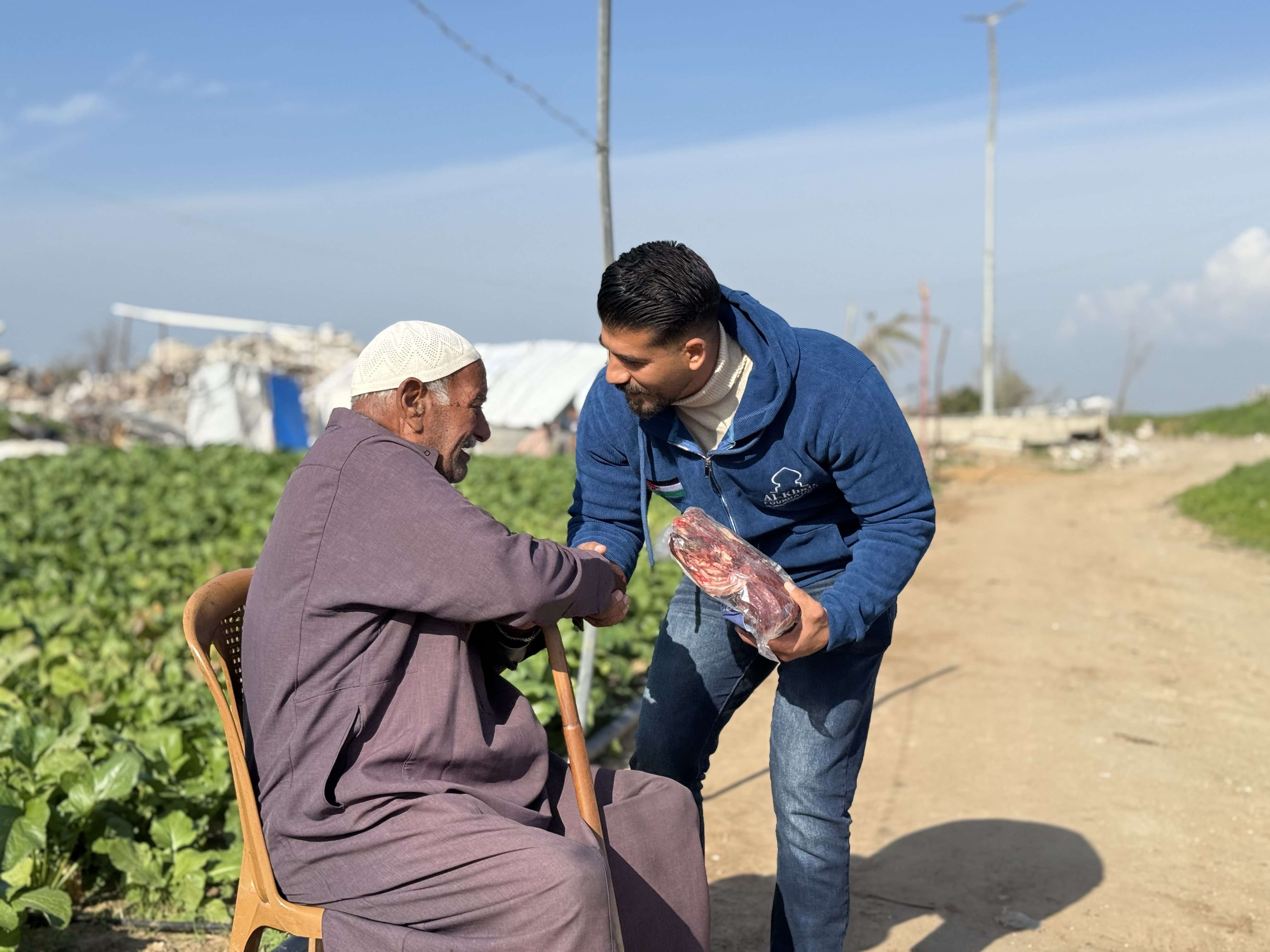
Hajj teaches that equality is not merely symbolic; it can be applied in daily life. In humanitarian work, as in Hajj, there is no distinction between beneficiaries or donors regarding human value. Every donation, every act of service, is measured by sincerity and dedication, not fame or position.
Lessons for the World
The experience of millions during Hajj shows that the uniform garment is not an end, but a means to realign hearts, teach compassion, and highlight the impact of genuine intention. Anyone who learns the lesson of equality from Hajj can apply it in education, social work, and global humanitarian communities.
Conclusion
Every year, Hajj tells a single story: equality is not a slogan to be raised but a practice lived among people and God. One garment… one message… an enduring impact.