عربي
عربي
 English


1. Eid al-Adha… More Than a Ritual
Praise be to Allah, and peace and blessings be upon His Messenger:
The Prophet ﷺ said:
"So eat of it and save and give charity" (Agreed upon)
Sacrifice is not just about the meat, but a chance to apply mercy and fairness in the lives of others.
2. The Threefold Justice of Sacrifice
Imam An-Nawawi – Shafi’i – explained:
“The minimal perfection is to eat one-third, give one-third as charity, and gift one-third.”
This division embodies a philosophy linking personal joy to social responsibility:
-
First third: Consumed by yourself to enjoy the celebration.
-
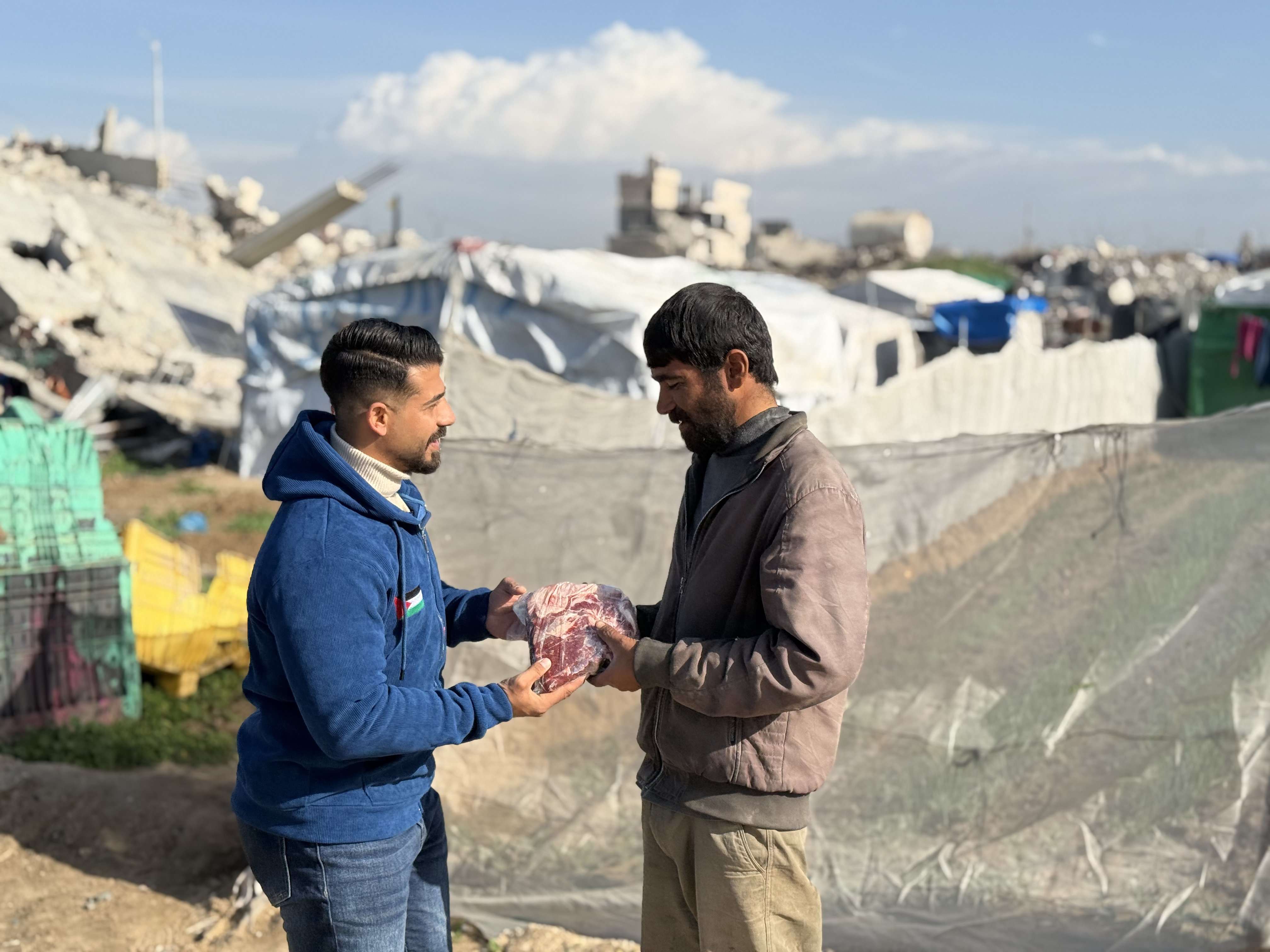
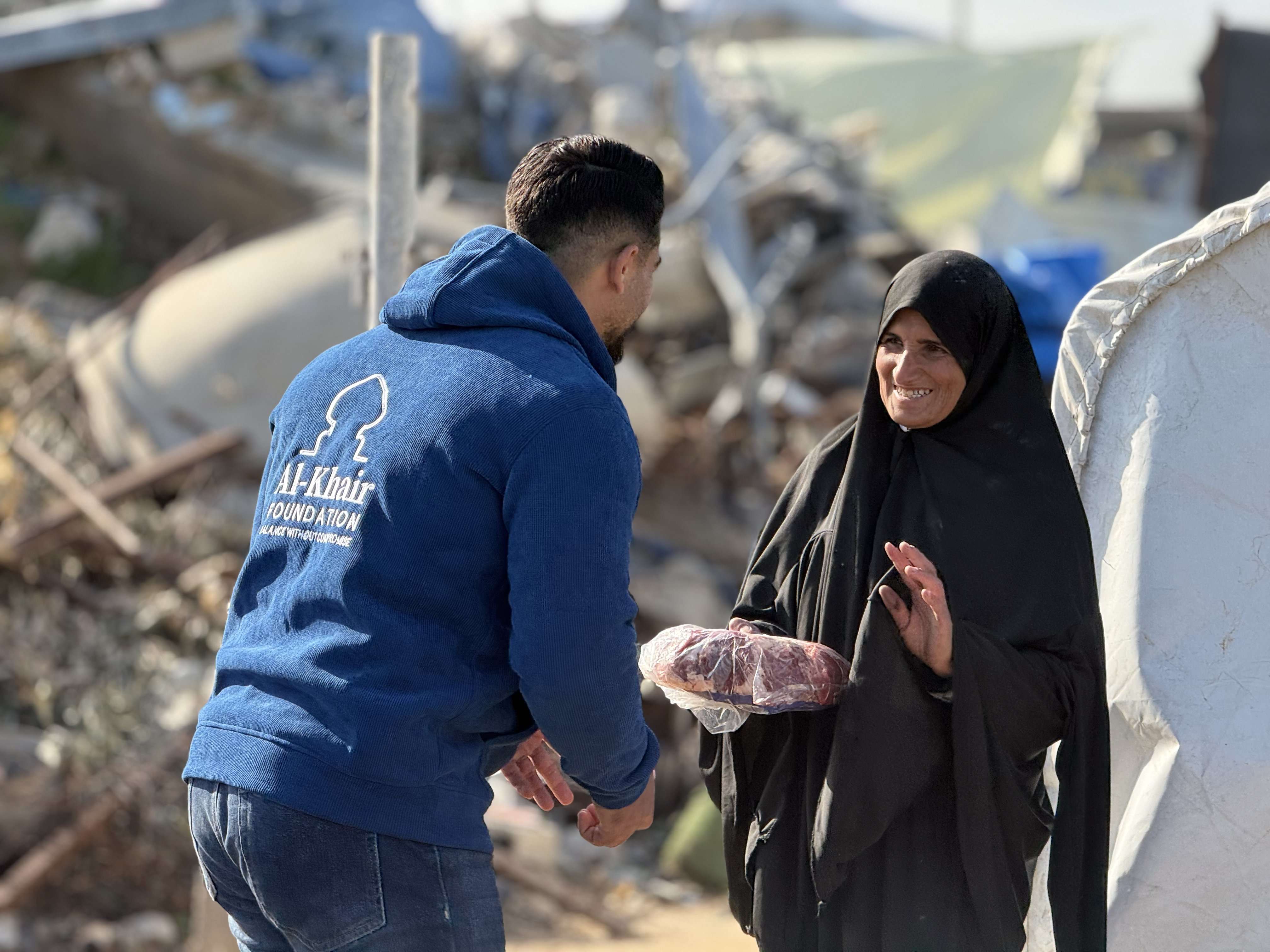
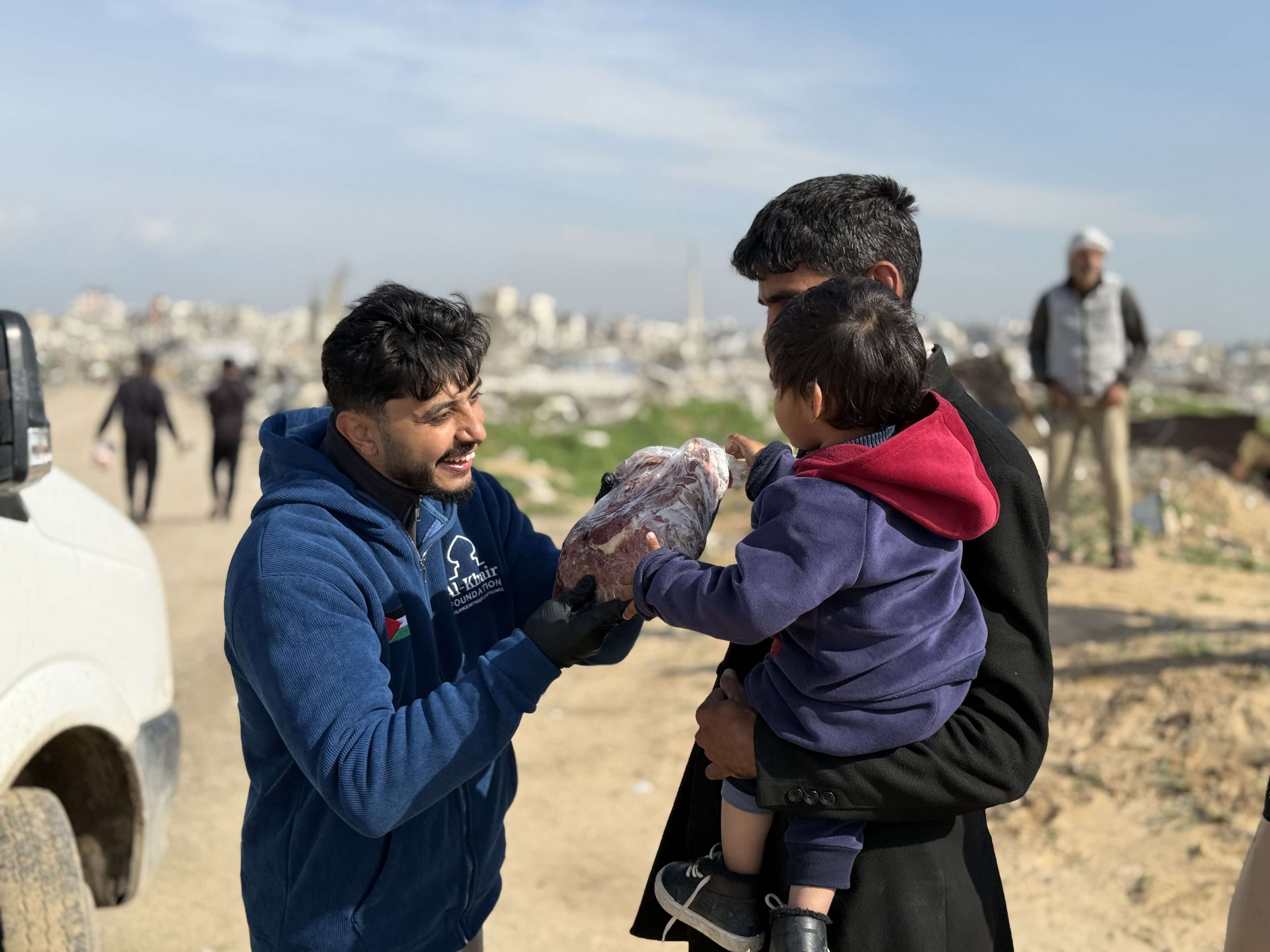
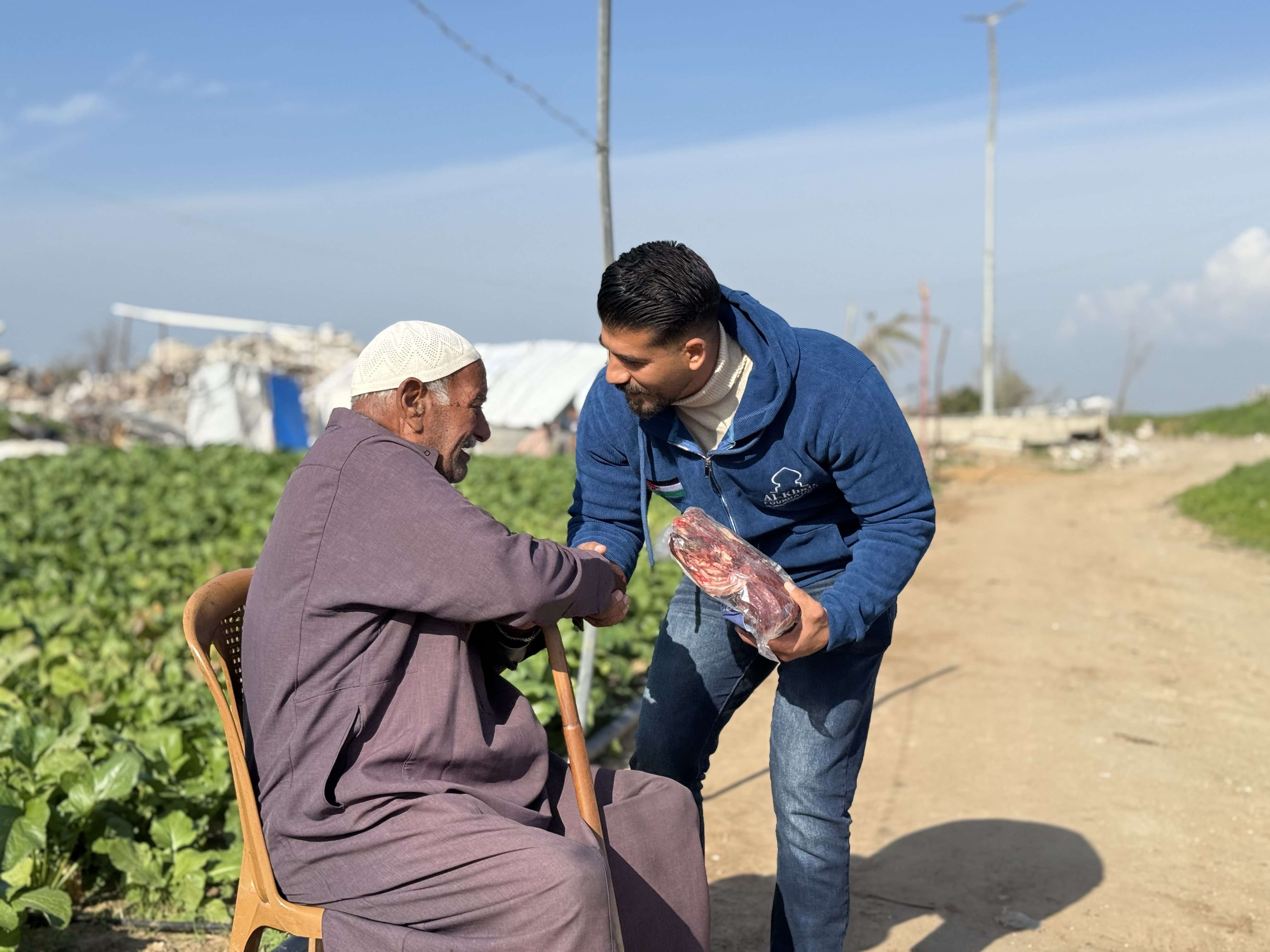
Second third: Donated to the poor and needy, offering them dignity and care.
-
Third third: Given to family or neighbors to strengthen social ties and spread blessing.
3. Charity from the Sacrifice: Duty or Recommendation?
Most scholars agree that donating a portion of the sacrifice is obligatory if some recipients are poor.
Even if no poor are among the recipients, it is recommended to purchase a small portion for charity to ensure that the purpose of the sacrifice includes blessing others.
4. Preserving Family Harmony
In family matters regarding the distribution of the sacrifice, one should overlook minor disputes and not allow Satan to create conflict.
The Prophet ﷺ said:
"Shall I not tell you something better than fasting, prayer, and charity? They said yes. He said: Reconciling people."(Tirmidhi, authenticated by Al-Albani)
Reconciliation and harmony are even greater than the sacrifice itself, reflecting mercy, justice, and social peace.
5. Eid al-Adha: A Lesson in Giving
Sacrifice teaches children the value of justice, dignity, and sharing, turning a day of celebration into a message:
“Joy is incomplete without mercy and responsibility.”
Every act of sacrifice embodies the Islamic philosophy of justice, mercy, and reconciliation, transforming ritual into enduring humanitarian action.