عربي
عربي
 English


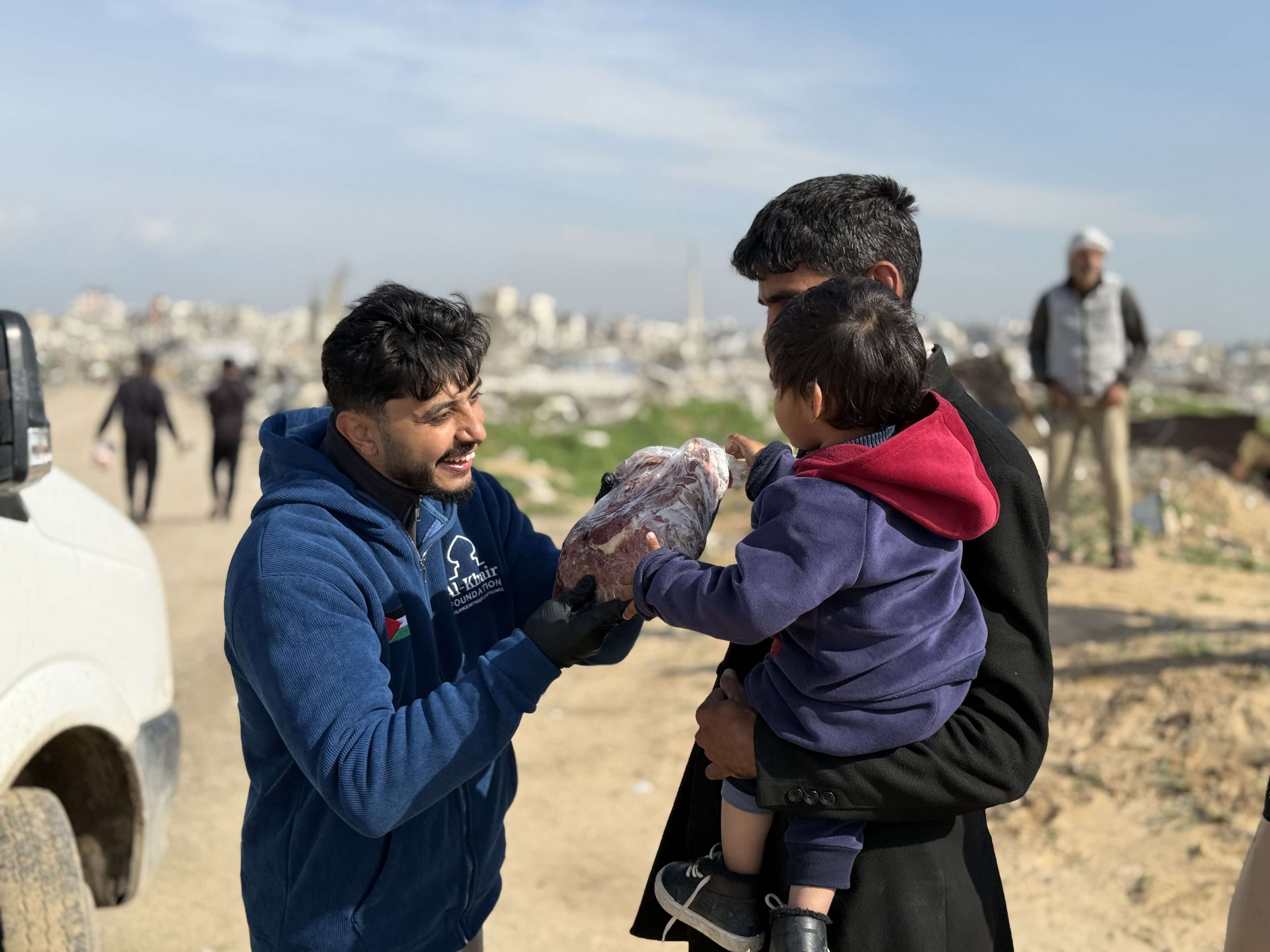
1. Eid al-Adha… A Ritual Beyond Celebration
Every year, Eid al-Adha blends family joy with profound religious duty.
Allah says:
"So eat of it and feed the needy and the beggar" [Al-Hajj: 28]
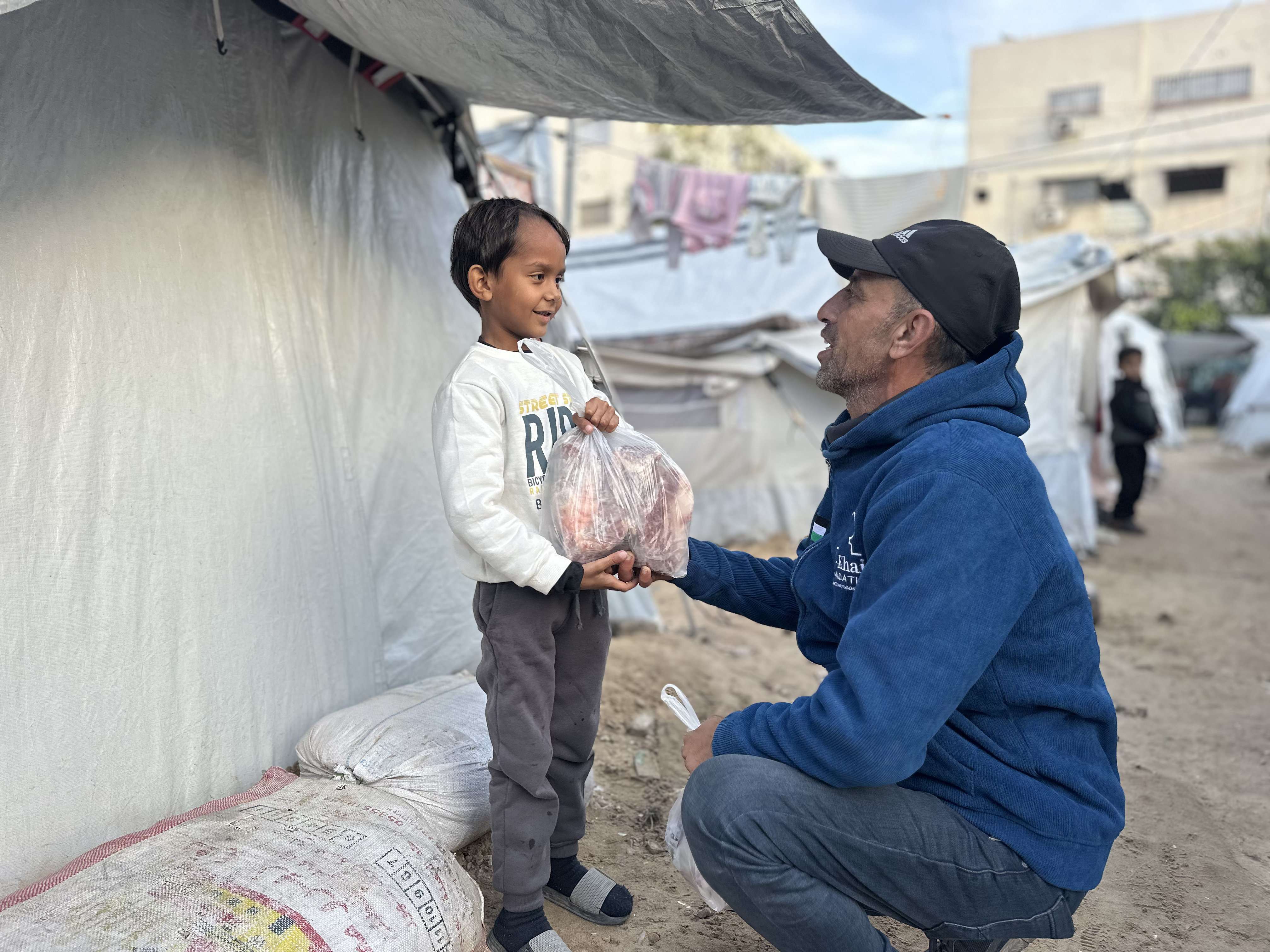
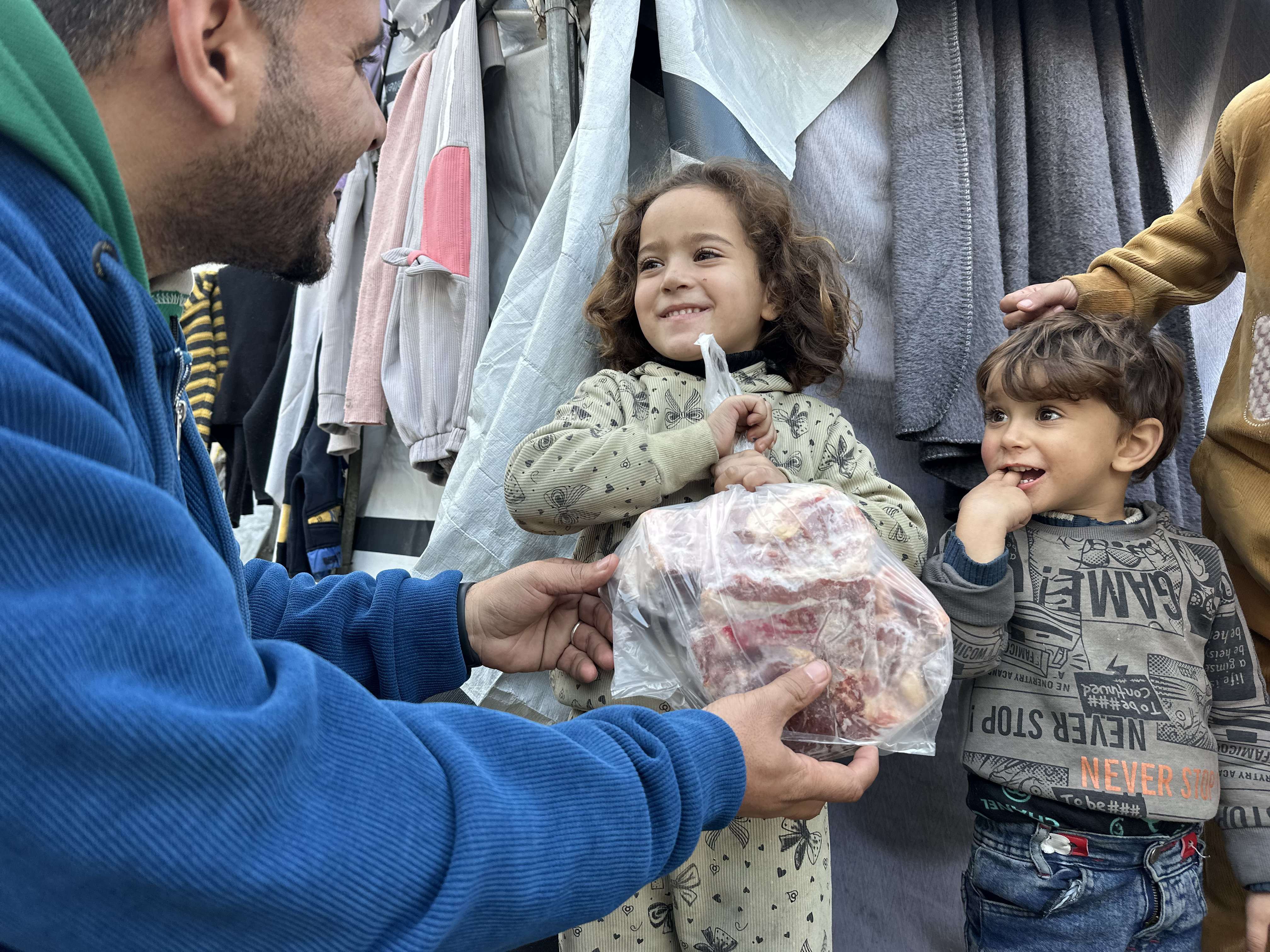
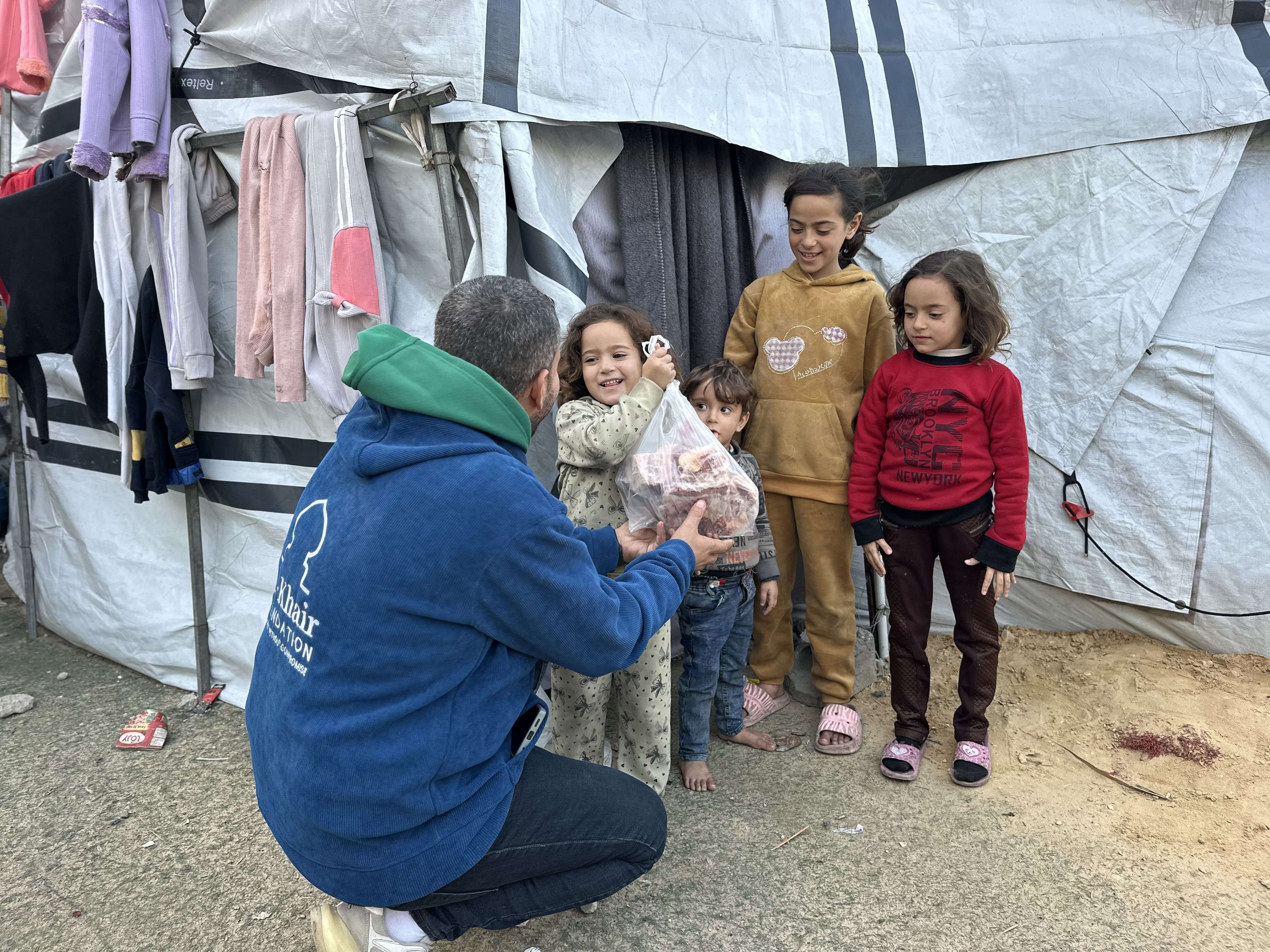
It’s not only about the meat or the sacrifice itself, but the mercy you carry to those in need.
2. Turning Joy into Responsibility
The sacrifice teaches responsibility across generations:
-
Children learn that their happiness is linked to sharing with others
-
Families realize true joy comes from giving
-
Communities feel that solidarity is not a slogan but tangible action
3. The Impact on Orphans and the Needy
Blessings of Eid reach far beyond the moment:
-
A meal to ease hunger
-
Emotional support that reduces the feeling of deprivation
-
A sense of security and dignity
The Prophet ﷺ said:
"Whoever relieves a believer’s distress of the distressful aspects of this world, Allah will relieve from him one of the distressful aspects of the Hereafter" (Muslim)
4. Giving Creates a Continuous Cycle of Good
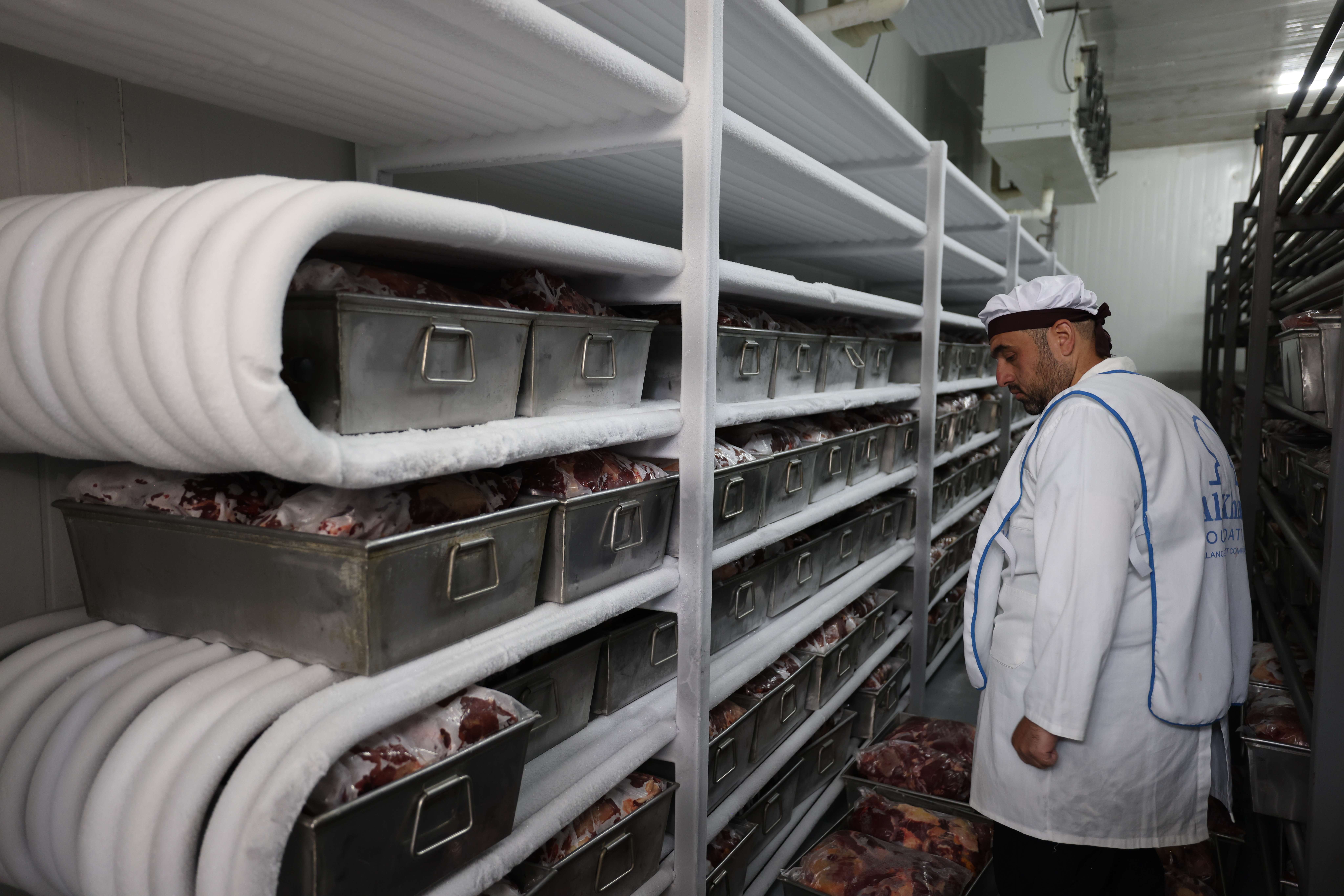
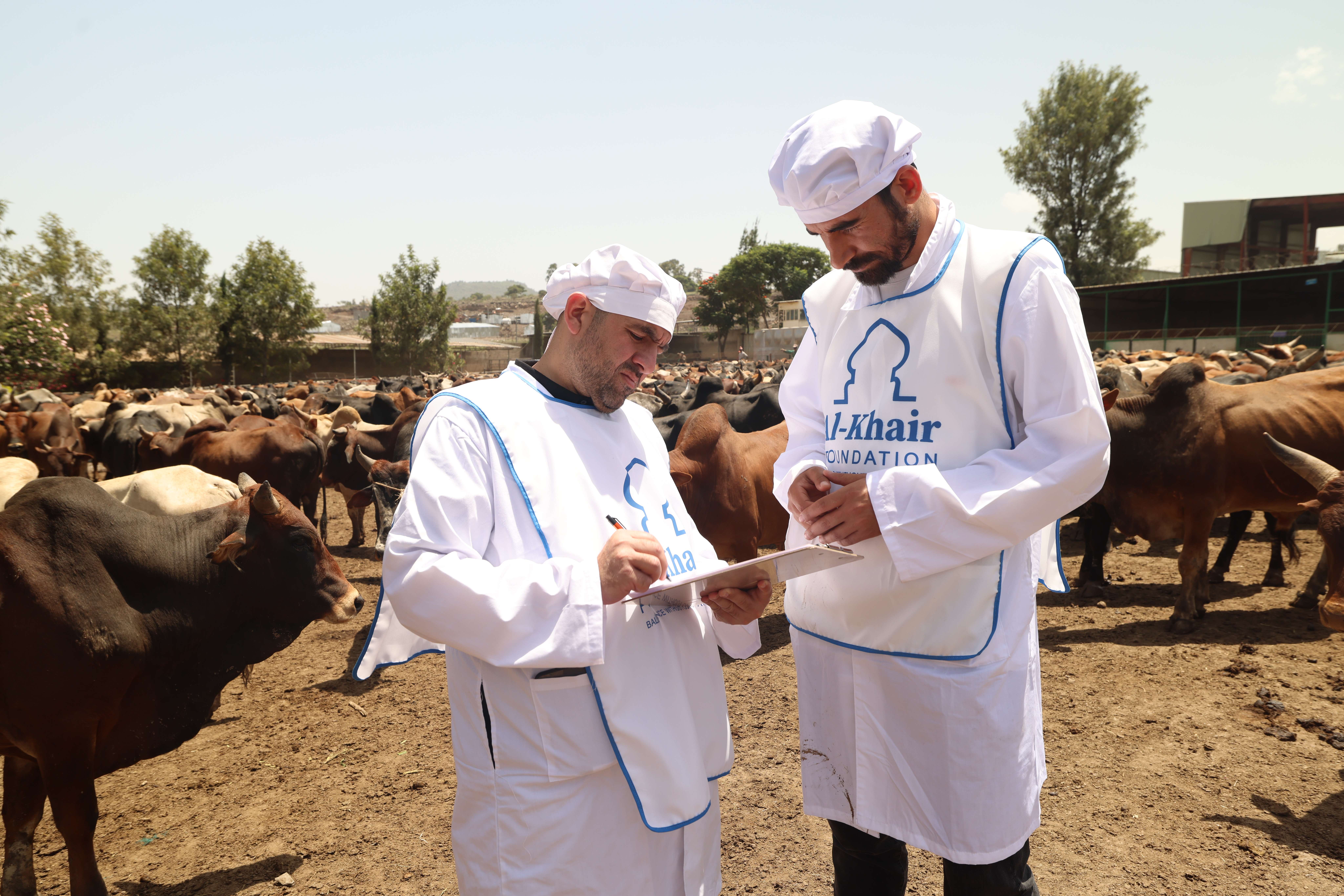
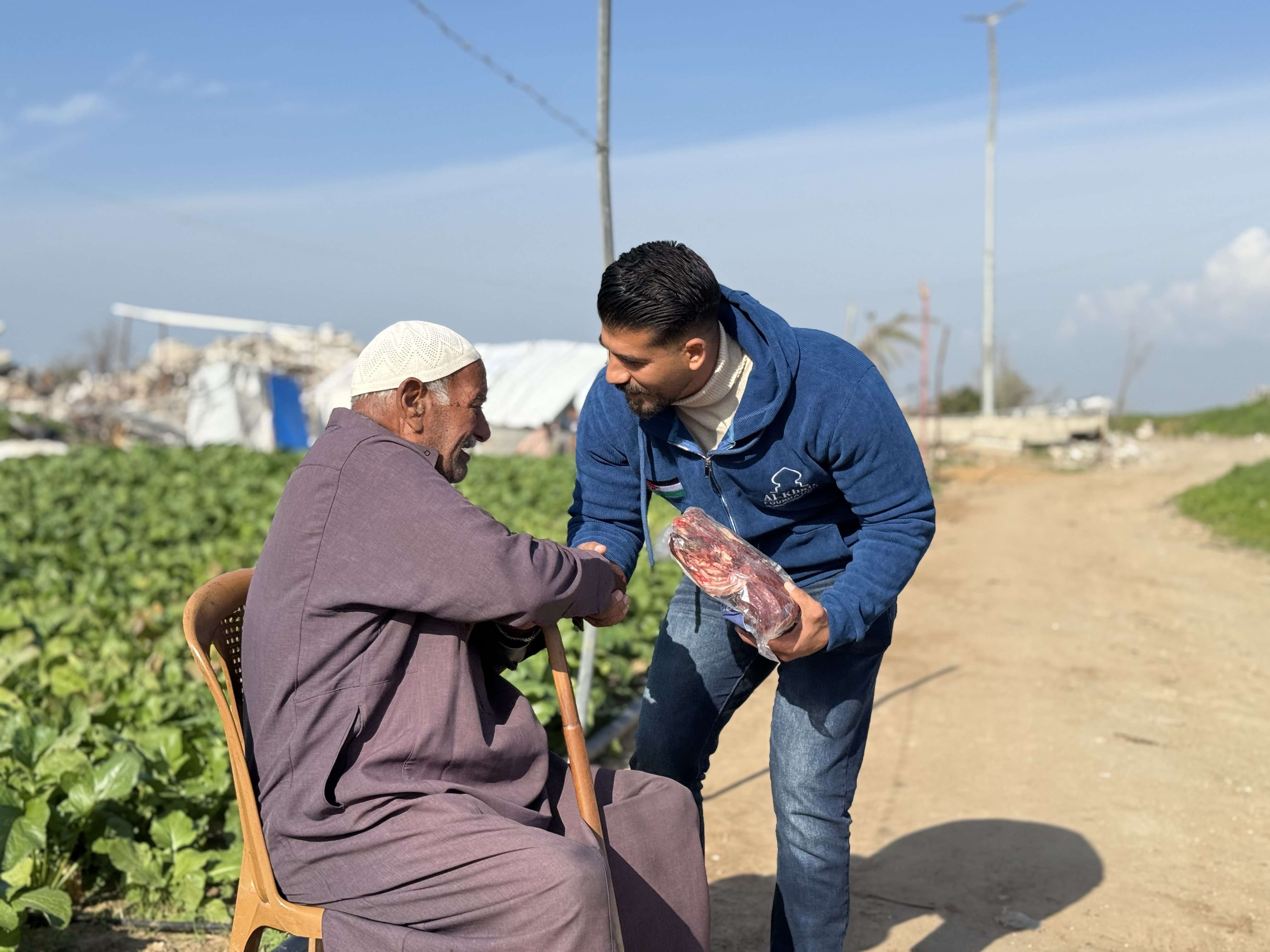
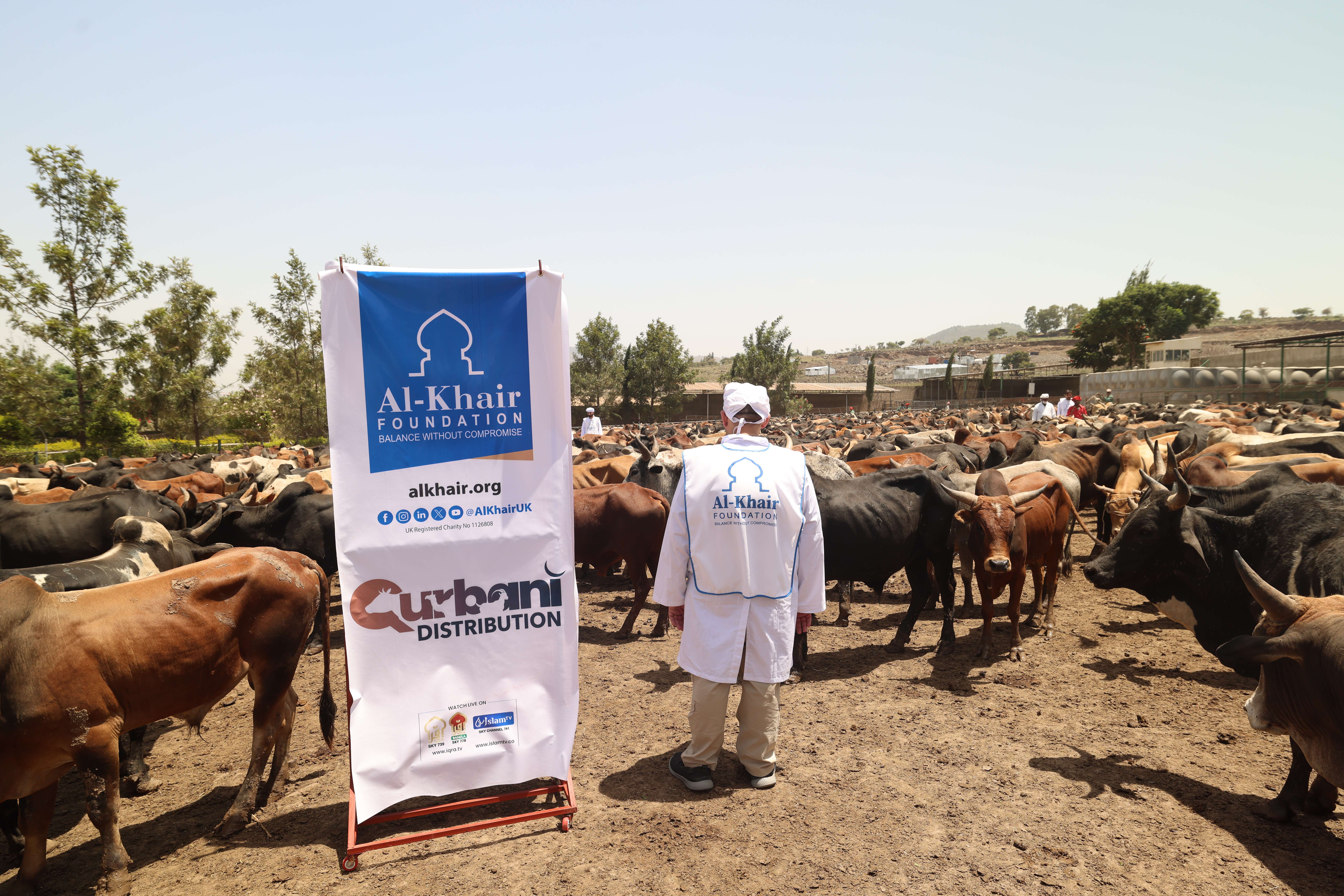
Donations from generous supporters turn into sacrifices delivered to those in need.
Each act sends a message:
"We will not forget anyone, and we will never stop showing mercy."
5. How to Make Your Eid More Meaningful
-
Share your sacrifice with the most vulnerable families
-
Donate through trusted humanitarian organizations
-
Teach children that joy carries responsibility and is incomplete without giving
Conclusion
During Eid al-Adha, joy does not stop at the home or family.
It extends to those who need support, to those who have lost something in life.
This is where celebration meets responsibility, and ritual becomes real humanitarian action.